Introduction
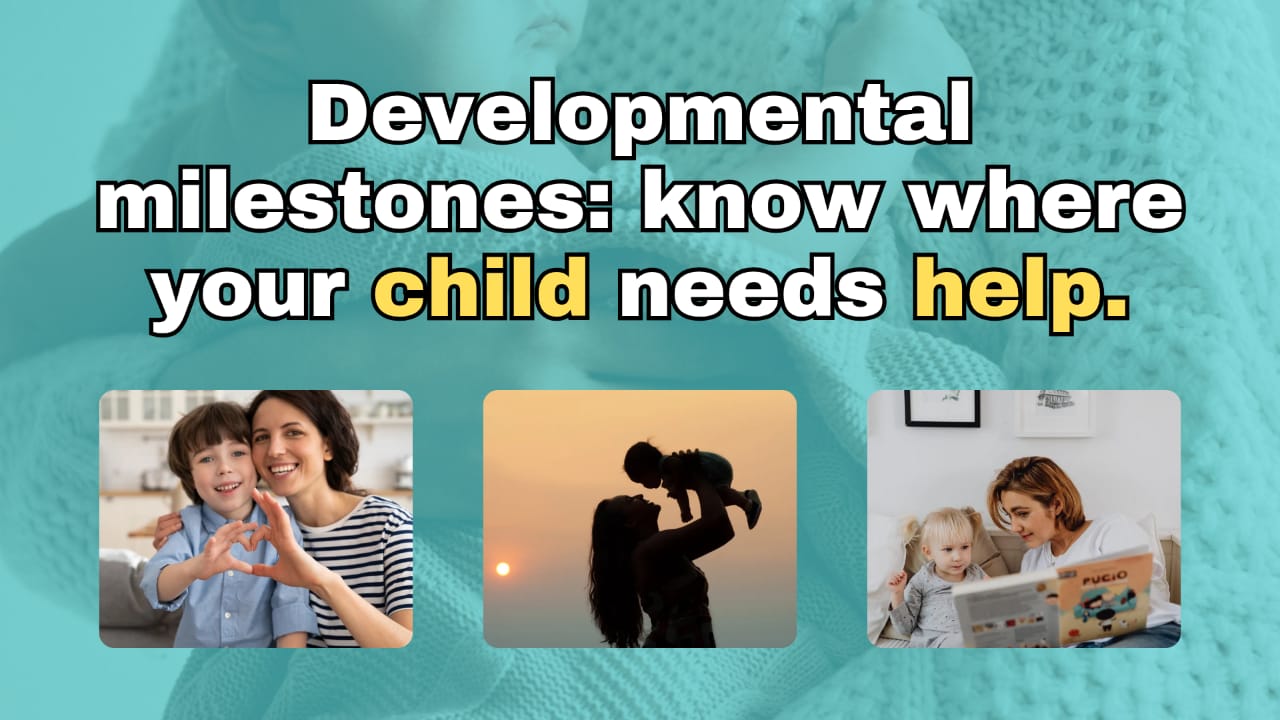
The first five years of a child’s life are a foundation for their lifelong health, learning, and behavior. A child’s brain develops faster during this window than at any other stage. That is why every psychologist focuses on early intervention. At First Hope Center, we focus on supporting families in understanding and nurturing their child’s early development using U.S. based development and therapeutic standards. This guide walks you through key milestones, common concerns, and tips to create a thriving environment at home to support your child’s growth.
Why the First 5 Years Are Important
A child’s brain forms more than 1 million new neural connections every second in the early developmental years. This rapid development affects:
- Problem-solving and learning
- Language and communication
- Emotional regulation
- Social skills
- Motor coordination
Research shows that the right support during this time can set the stage for lifelong learning, behavior, and health (Shonkoff, 2023).
How You Can Support Development at Home
Here are 7 reliable, evidence-based practices you can implement today to support your child’s growth during the most critical years of life:
1. Create a Safe, Predictable Routine
Children thrive in known environments and they know what they can expect. Daily routines around sleep, meals, play, and learning reduce stress and help children feel secure.
Tips for parents:
- Keep wake-up, meal, and bedtime schedules consistent.
- Use simple visual schedules or songs to transition between activities.
- Provide gentle warnings before changes (“In 5 minutes, we will clean up”).
2. Talk, Read, and Sing—Every Day
Language development is directly influenced by how often a child hears and uses language. Speak to your child in rich, meaningful ways starting from birth—even before they can talk back.
Tips for parents:
- Narrate your daily routines but keep the instructions clear and short (“Now we’re washing hands with water”).
- Ask questions—even if your child can’t respond yet.
- Read aloud at least one book a day. Use gestures, expressions, and character voices.
3. Respond with Warmth and Sensitivity
Secure attachment builds emotional strength. Children need to feel safe, seen, and soothed in order to thrive.
Tips for parents:
- Validate emotions: “I see you’re upset. That’s okay. I’m here.”
- Practice active listening—get on their eye level and maintain eye contact.
- Offer physical affection: hugs, holding hands, and gentle touch.
4. Encourage Play with a Purpose
Play is how children learn best. It supports everything from problem-solving to social-emotional growth.
Tips for parents:
- Offer open-ended toys (blocks, dolls, pretend kitchen) instead of battery-operated ones.
- Join in the play! Let your child lead while you ask open questions (“What happens next?”).
- Encourage messy play with water, sand, or finger paints for sensory development.
5. Support Independence and Self-Help Skills
The early years are the perfect time for kids to build confidence in small tasks.
Tips for parents:
- Let your child try dressing, feeding, and tidying up even if it’s messy or slow.
- Use encouraging language like “You’re trying so hard!” instead of just “Good job.”
- Break down big tasks into small steps and offer visual or verbal cues.
6. Limit Screen Time and Promote Real-World Learning
While some screen time can be educational, too much passive media exposure can delay speech and social skills.
Tips for parents:
- Occasionally watch together with children and talk about what you see.
- Replace screen time with physical play, story time, or outdoor activities.
7. Observe and Seek Help Early When Needed
You know your child best. If something feels “off,” trust your instincts. Early support makes a big difference.
Possible signs to watch for:
- No words by 18–24 months
- Lack of eye contact or pointing
- Extreme difficulty with transitions or textures
- Overwhelming emotions
At First Hope Center, we offer early screenings, diagnostic testing, and individualized therapy plans to help children thrive. The earlier we intervene, the better the outcomes.
Real Parent Support: You’re Not Alone
Raising a young child can feel overwhelming, especially when you’re worried about development. But you don’t have to do it alone.
At First Hope Center, we believe in partnering with families and not just treating symptoms. Our U.S.-standard care model ensures your child receives the best start possible, right here in Pakistan.
Final Thoughts
The early years are powerful and fleeting. Your love, attention, and everyday choices shape your child’s lifelong journey. By creating a nurturing, responsive, and enriching environment, you give your child the tools to grow into their full potential.
Let’s walk this path together.
Reach out to First Hope Center for professional support, guidance, and early intervention services.
Get in Touch
📍 CP-109, Fairway Commercial, Raya Golf Resort, DHA Phase-VI, Lahore
📧 thefirsthopecenter@gmail.com
📞 0322-558-5504
🌐 https://thefirsthopecenter.com/
Keywords Targeted:
- child development in early years
- parenting tips for toddlers
- how to support child growth
- child development center Pakistan
- early intervention therapy
- parenting guide for early childhood